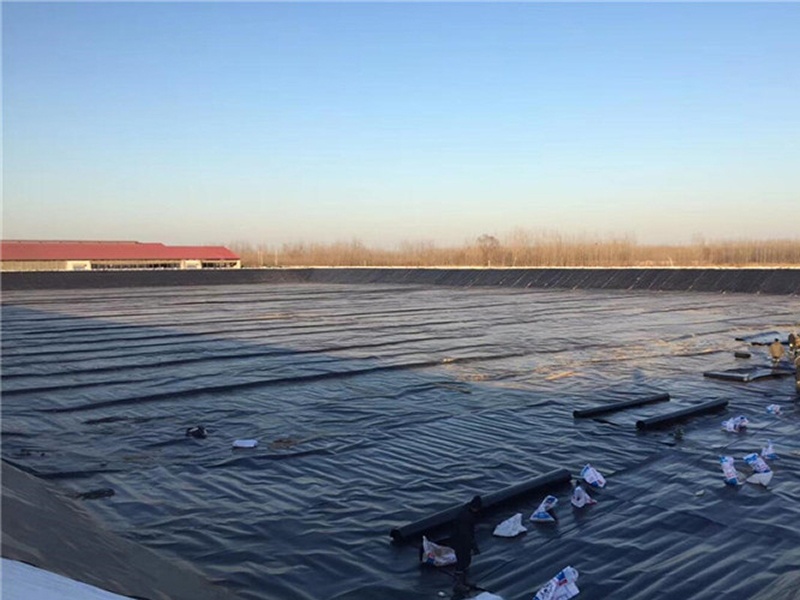
Industrial containment systems play a crucial role in protecting facilities from leaks, contamination, and structural damage. Over time, liners can experience wear due to environmental exposure, pressure, or operational stress. When even a small issue is ignored, it can quickly escalate into costly downtime and serious safety risks. This is why fast and professional repair solutions are essential for maintaining performance and preventing interruptions. Businesses that invest in proper maintenance strategies often see improved efficiency, lower operational costs, and extended system lifespan.
The Importance of Early Detection and Timely Repairs
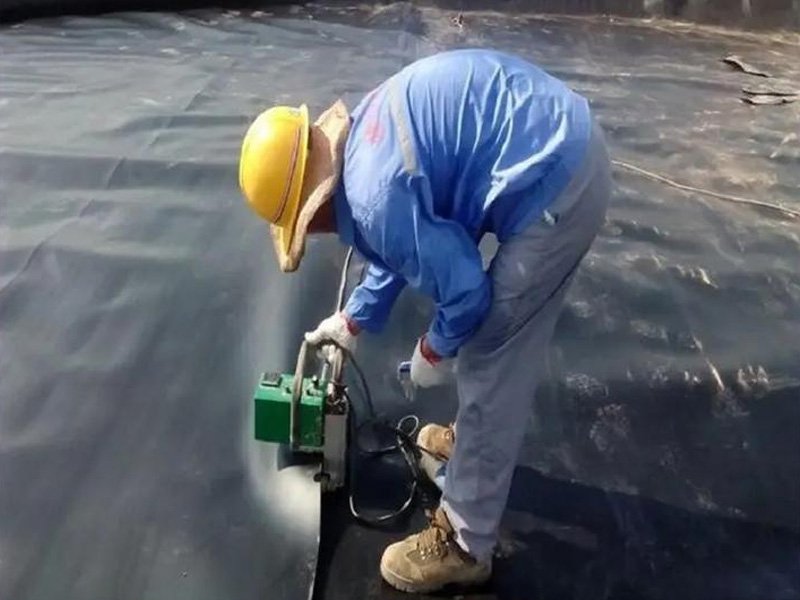
Small cracks, punctures, or seam failures may seem insignificant at first, but they can rapidly grow into major operational problems. Facilities that rely on containment systems understand that geomembrane repairs are paramount for longevity because they help preserve the integrity of the entire structure. Early detection allows technicians to address damage before it spreads, reducing the possibility of leaks, contamination, and expensive shutdowns.
Timely repairs also help businesses avoid unexpected production delays. In industries such as mining, agriculture, wastewater management, and construction, downtime can lead to financial losses and regulatory complications. A properly repaired liner restores functionality quickly and minimizes disruption to daily operations. Accurate repair techniques ensure the liner remains durable under demanding conditions while maintaining compliance with environmental and safety standards.
Reducing Operational Risks Through Precision Repair Methods

Precision is one of the most important factors when repairing industrial liners. Inaccurate repairs may temporarily cover visible damage but often fail under pressure, leading to recurring problems. Professional repair methods focus on identifying the root cause of the issue and applying solutions that restore the liner’s full protective capabilities.
Modern repair technologies allow specialists to seal punctures, reinforce seams, and strengthen weakened areas with high levels of accuracy. This reduces the likelihood of future failures and improves the overall reliability of the containment system. Accurate repairs also protect nearby equipment, water sources, and surrounding environments from contamination risks that can occur when damaged liners are left untreated.
Another important advantage is improved worker safety. Faulty containment systems can create hazardous conditions for employees and maintenance crews. By investing in professional repair services, companies can lower accident risks while maintaining safer operational environments.
Long Term Cost Savings and Improved System Performance
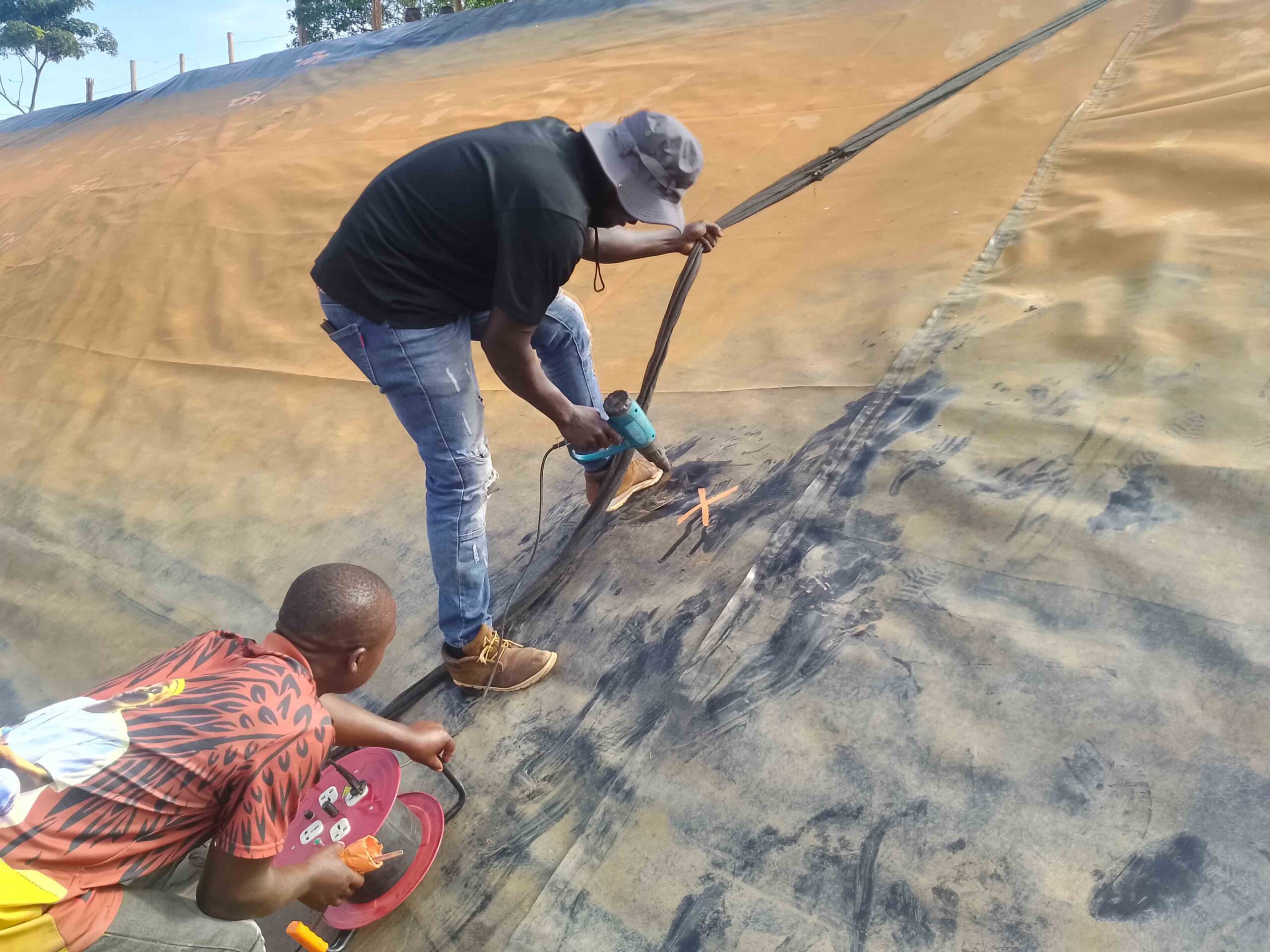
Many businesses underestimate how much money preventive maintenance and quality repairs can save over time. Replacing an entire liner system is significantly more expensive than repairing localized damage. Proper repair work extends the usable life of the liner, allowing facilities to maximize their investment without unnecessary replacement costs.
Efficient containment systems also contribute to smoother operations. When liners perform correctly, businesses experience fewer interruptions, lower maintenance demands, and better overall productivity. High quality repairs help maintain structural stability and reduce the need for emergency interventions that can strain operational budgets.
In addition, professionally repaired liners often perform better under extreme weather conditions, chemical exposure, and heavy usage. This increased durability gives facility managers greater confidence in long term operational reliability. As industries continue to prioritize sustainability and environmental responsibility, maintaining dependable containment systems becomes even more critical.
Conclusion
Accurate liner repairs play a vital role in reducing operational downtime, minimizing safety risks, and improving long term performance. Small issues that are repaired quickly and professionally are far less likely to develop into costly failures that interrupt production or damage the environment.