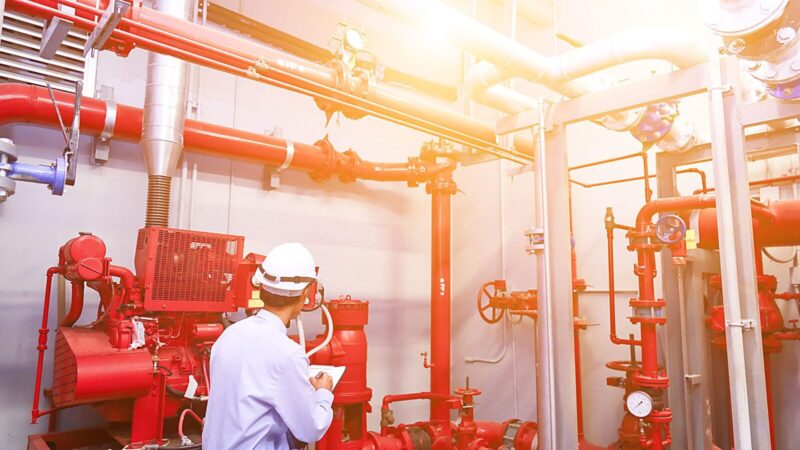
Choosing the right fire safety consultant is an important step for any building project in Brisbane. Commercial developments, apartment buildings, industrial sites, and public facilities often need specialist fire safety input to meet compliance requirements and reduce risk. A qualified fire engineer can help assess building design, fire protection systems, evacuation planning, and regulatory obligations.
Fire safety decisions made early in a project can prevent costly delays, redesigns, and approval problems later. This is why developers, architects, builders, and property owners should carefully evaluate experience, qualifications, and communication before selecting a consultant.
Why Fire Engineering Expertise Matters
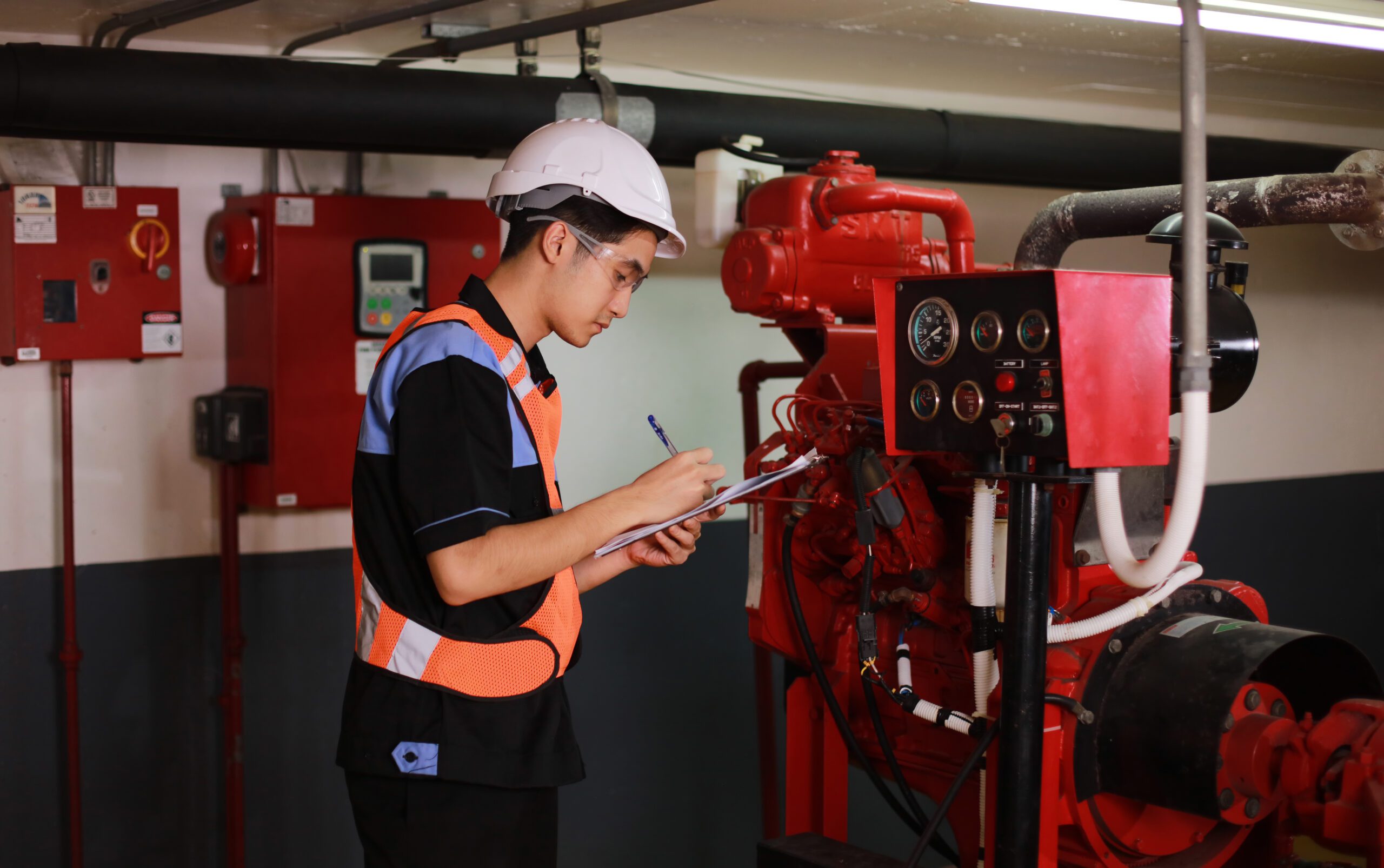
Project teams that want to check for fire engineer Brisbane services should look for consultants who understand local building requirements, fire safety regulations, and practical design challenges.
A fire engineer can assess fire risks, review building layouts, develop fire safety strategies, and provide technical advice for complex or performance based designs. Their input is especially valuable when standard compliance pathways are not suitable for a specific project.
Good fire engineering support helps balance safety, design flexibility, and approval requirements.
What To Compare Before Choosing A Consultant
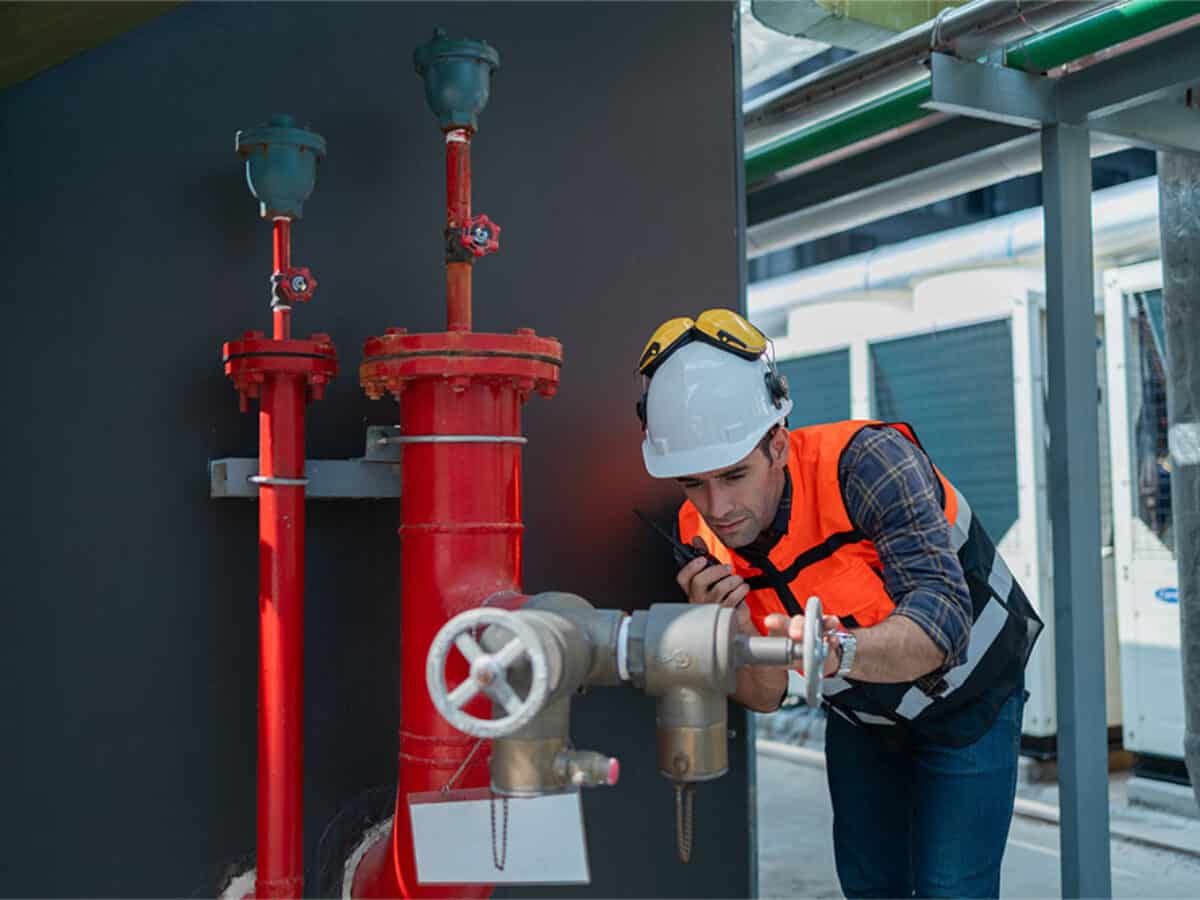
Experience should be one of the first factors to consider. A consultant with a strong background in similar projects will usually understand the specific risks and documentation required for approval.
Businesses should also review qualifications, previous project examples, reporting quality, and familiarity with relevant authorities. Clear communication is important because fire engineering often involves coordination between architects, certifiers, builders, and regulators.
A reliable consultant should explain technical issues clearly and provide practical recommendations that support both safety and project progress.
Early Involvement Can Reduce Project Risk
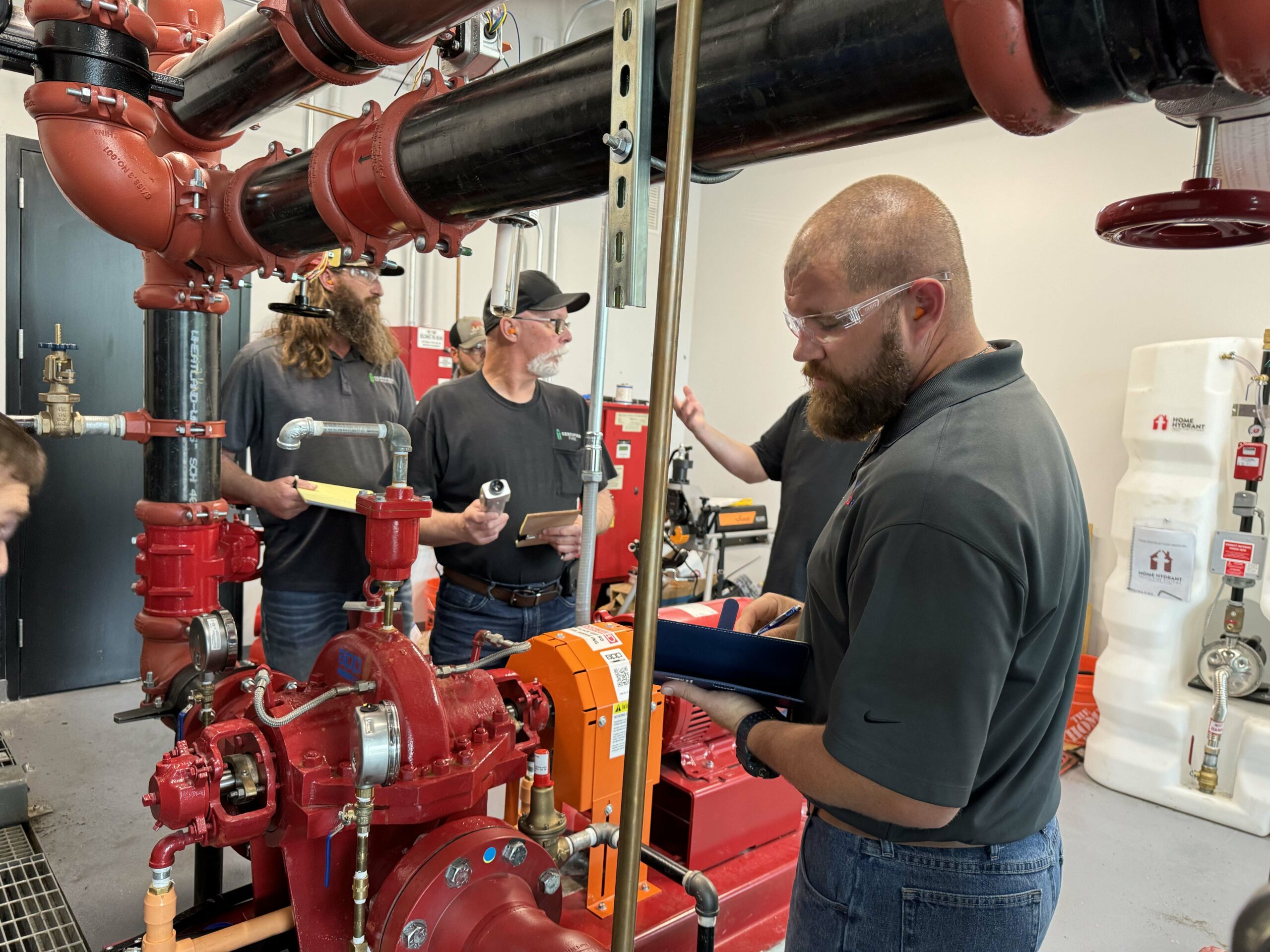
Fire engineers are most effective when involved during the early design stages. Early advice can identify compliance challenges before drawings are finalised, reducing the chance of expensive changes later.
Specialist input may be needed for smoke control, evacuation modelling, fire compartmentation, sprinkler design, emergency access, and alternative compliance solutions. These areas can significantly affect building layout, cost, and approval timelines.
By integrating fire safety planning early, project teams can improve coordination and create safer, more efficient building designs.
Conclusion
Selecting the right fire engineer in Brisbane requires careful consideration of experience, qualifications, local knowledge, and communication skills. A strong consultant can help manage compliance requirements, reduce design risks, and support safer building outcomes. By involving fire engineering expertise early in the project, businesses and developers can improve approval processes, avoid costly delays, and ensure fire safety is properly integrated into the final design.