
Getting around Brisbane without owning a car is possible even when buses, trains, and ferries are not suitable for your journey. Taxis, walking routes, cycling options, and private transfer services can help you travel between the city centre, surrounding suburbs, and important destinations.
The best option will depend on the distance, time of day, number of passengers, and amount of luggage you are carrying. Planning ahead can make your journey more convenient while helping you manage travel time and costs.
Use Taxis for Convenient Door-to-Door Travel
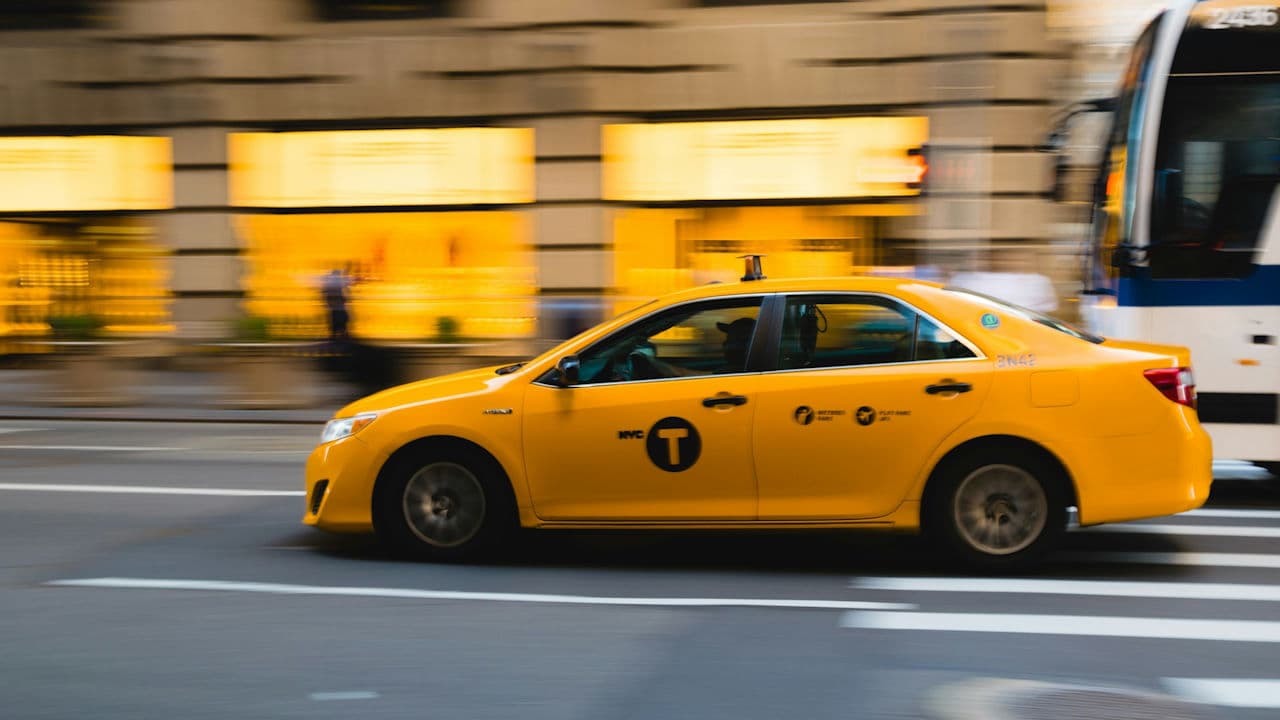
Taxis are a practical choice when you need to travel directly between two locations. They can be especially useful for airport transfers, medical appointments, business meetings, evening events, and journeys through areas where other transport options are limited.
To call a reliable taxi, simply visit this page to get a cab out to you fast, with great service. When booking, provide the complete pickup address, destination, preferred collection time, passenger number, and any special vehicle requirements.
Groups and families should confirm that the vehicle has enough seating and luggage space. Passengers with mobility needs may also need to request an accessible taxi in advance. Providing these details early helps the company send an appropriate vehicle and reduces the risk of delays.
If your journey has a strict arrival time, book ahead and allow a reasonable buffer for traffic. Brisbane roads can become busy during peak periods, major events, and poor weather, so a trip may take longer than expected.
Walk or Cycle for Shorter Journeys
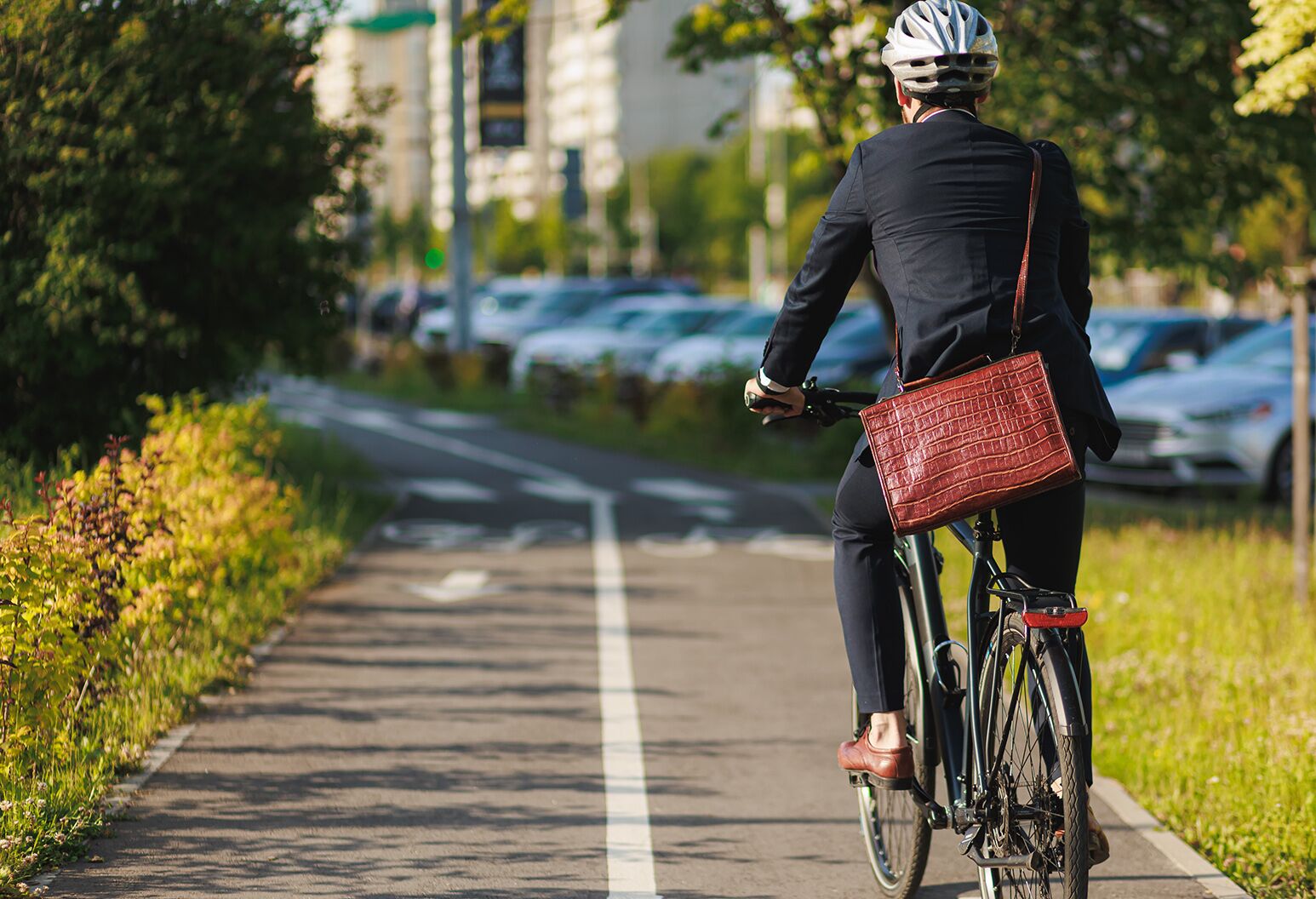
Walking can be an effective way to travel through central Brisbane and compact neighbourhoods. It does not require a booking, parking, or a fare, and it gives you the flexibility to stop at shops, cafes, parks, and attractions along the way.
Before setting out, check the complete route rather than relying only on the distance shown on a map. River crossings, steep streets, construction work, and limited pedestrian access can make a seemingly short journey more difficult. Weather conditions should also be considered, particularly during hot or rainy periods.
Cycling can cover longer distances while remaining more flexible than a fixed transport schedule. Brisbane has shared paths and dedicated cycling routes in selected areas, but riders should confirm that their planned route is suitable for their confidence and experience.
Bike and e-bike hire services may be available in busy parts of the city. Always check the usage rules, helmet requirements, parking conditions, and pricing before starting a trip. Secure the bicycle only in an approved location when the journey is complete.
Combine Different Options for Longer Trips

A single transport method may not be ideal for every part of your journey. You could walk to a nearby attraction during the day and use a taxi to return after dark. A hired bicycle may work for sightseeing, while a pre-booked vehicle may be more suitable when travelling with luggage.
Private transfers and chauffeur services are another option for planned journeys, special events, corporate travel, or larger groups. These services may offer fixed pickup arrangements, but they often need to be reserved in advance and can cost more than a standard taxi.
Before choosing, compare the complete price, estimated travel time, pickup flexibility, and cancellation terms. The lowest advertised cost may not represent the best option if it involves long waiting times or does not provide enough space for passengers and belongings.
Conclusion
Brisbane can be explored without a private car or regular public transport by using taxis, walking routes, bicycles, and pre-arranged transfer services. Each option offers different advantages depending on the journey, weather, schedule, and number of travellers.
For the easiest experience, select the most practical method for each part of your trip. Booking important rides ahead, checking routes, and allowing extra travel time will help you move around Brisbane safely and comfortably.