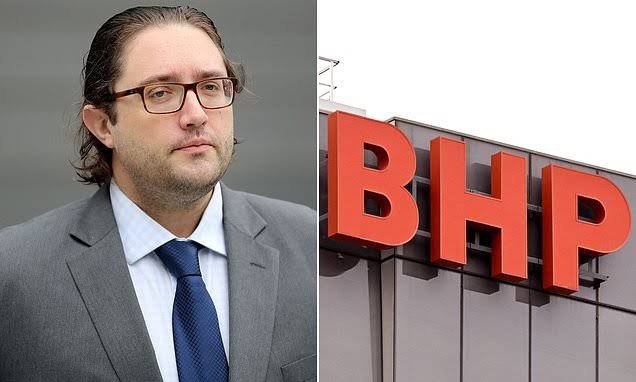
Class action law firms increasingly rely on outside investors to bankroll years-long cases against corporate giants, fronting huge sums for legal fees, expert witnesses, and expenses long before any settlement arrives.
Pogust Goodhead’s recent troubles show just how risky that model can be, and how quickly a heavily funded firm can find itself drowning in debt while still fighting some of the biggest cases in British legal history.
A Debt-Fuelled Growth Model

Founded in 2018 by Tom Goodhead and Harris Pogust, the firm grew rapidly after securing a landmark 552.5 million dollar financing deal from US hedge fund Gramercy in 2023, structured as corporate debt rather than equity.
That capital fuelled cases like the multi-billion-pound BHP dam litigation and the My Diesel Claim campaign, but a reported spending controversy at Pogust Goodhead has since raised serious doubts about whether debt-fuelled growth of this scale can ever be sustainable.
Those doubts intensified last summer, when co-founder Tom Goodhead was removed as chief executive following a reported falling-out with the firm’s investors over how its finances were being managed.
The Numbers Behind the Crisis
An internal investigation led by law firm DLA Piper reportedly found evidence of excessive and uncontrolled spending during Goodhead’s tenure, including private jets, luxury hotel stays, and staff yacht parties, alongside a 4.2 million pound director’s loan that was later written off.
Overdue accounts reportedly showed a 2022 pre-tax loss of close to 292 million pounds and liabilities above 500 million pounds, while 2023 filings showed total debts climbing to 97.5 million pounds from just 11 million pounds a year earlier, with both sets of accounts filed well past their statutory deadlines. Auditors flagged material uncertainty over the firm’s ability to continue as a going concern.
A Wider Reckoning for Litigation Finance

Pogust Goodhead is not alone in facing this kind of pressure. Industry observers have pointed to a broader pattern of mass tort firms becoming trapped in a cycle of debt as complex cases drag on for years without generating revenue, raising questions about whether the sector’s rapid growth has outpaced its ability to manage risk responsibly.
Gramercy has since injected a further 65 million dollars into Pogust Goodhead, restructuring consultant Huw Dolphin has taken on majority voting control, and former COO Alicia Alinia has stepped in as interim chief executive, changes aimed at keeping the firm solvent.
Conclusion
Goodhead has firmly denied any wrongdoing, insisting the firm was financed through commercial loans rather than client money and describing his removal as a boardroom coup rather than a governance failure. He has also said he is still personally owed millions of pounds for money he injected into the firm to cover payroll shortly before his exit.
Pogust Goodhead’s leadership maintains that governance has since been strengthened and that its major cases, including the ongoing BHP litigation, remain on track. Still, the firm’s debt crisis stands as a warning for an industry increasingly built on borrowed money, ambitious growth targets, and business models that have yet to be fully tested through a full economic cycle.