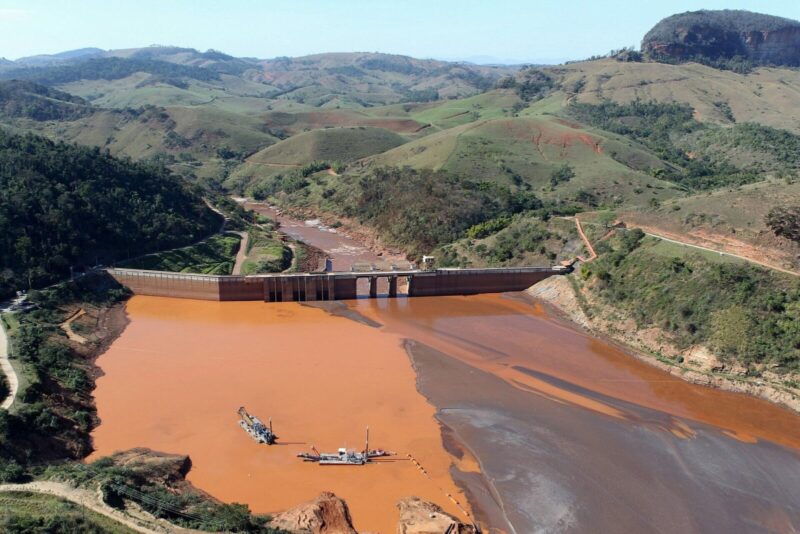
The Mariana victims case has become a major example of how global litigation funding supports large claims that individual claimants could not usually afford on their own. Environmental disasters, cross-border disputes, and corporate accountability cases often require years of legal work, expert evidence, and substantial financial resources before any result is reached.
Because of this, the case is now being viewed as more than a single legal dispute. It has become a test of whether international funding models can support access to justice while maintaining transparency, fairness, and proper oversight.
Why The Case Matters For Litigation Funding
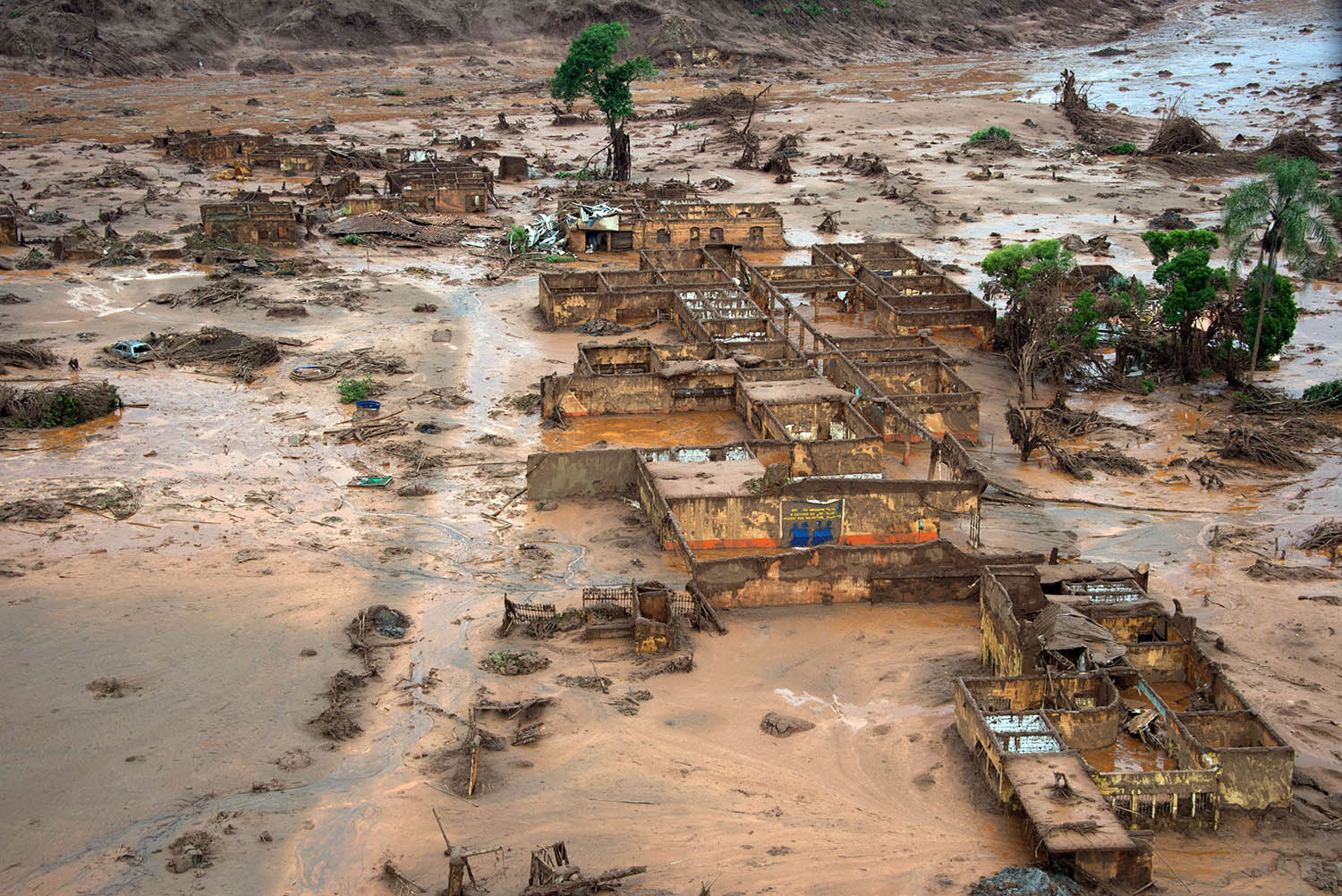
The Mariana litigation has placed attention on the role of BHP case lawyers and the financial structures that allow large groups of victims to pursue claims against powerful corporate defendants.
Cases of this scale require major investment in legal teams, technical experts, translation, evidence gathering, administration, and court preparation. Without external funding, many victims would struggle to participate in such complex proceedings.
Litigation funding can therefore give claimants a stronger path to justice, but it also raises questions about who controls the case, how costs are managed, and how any compensation may eventually be distributed.
Transparency And Governance Are Critical
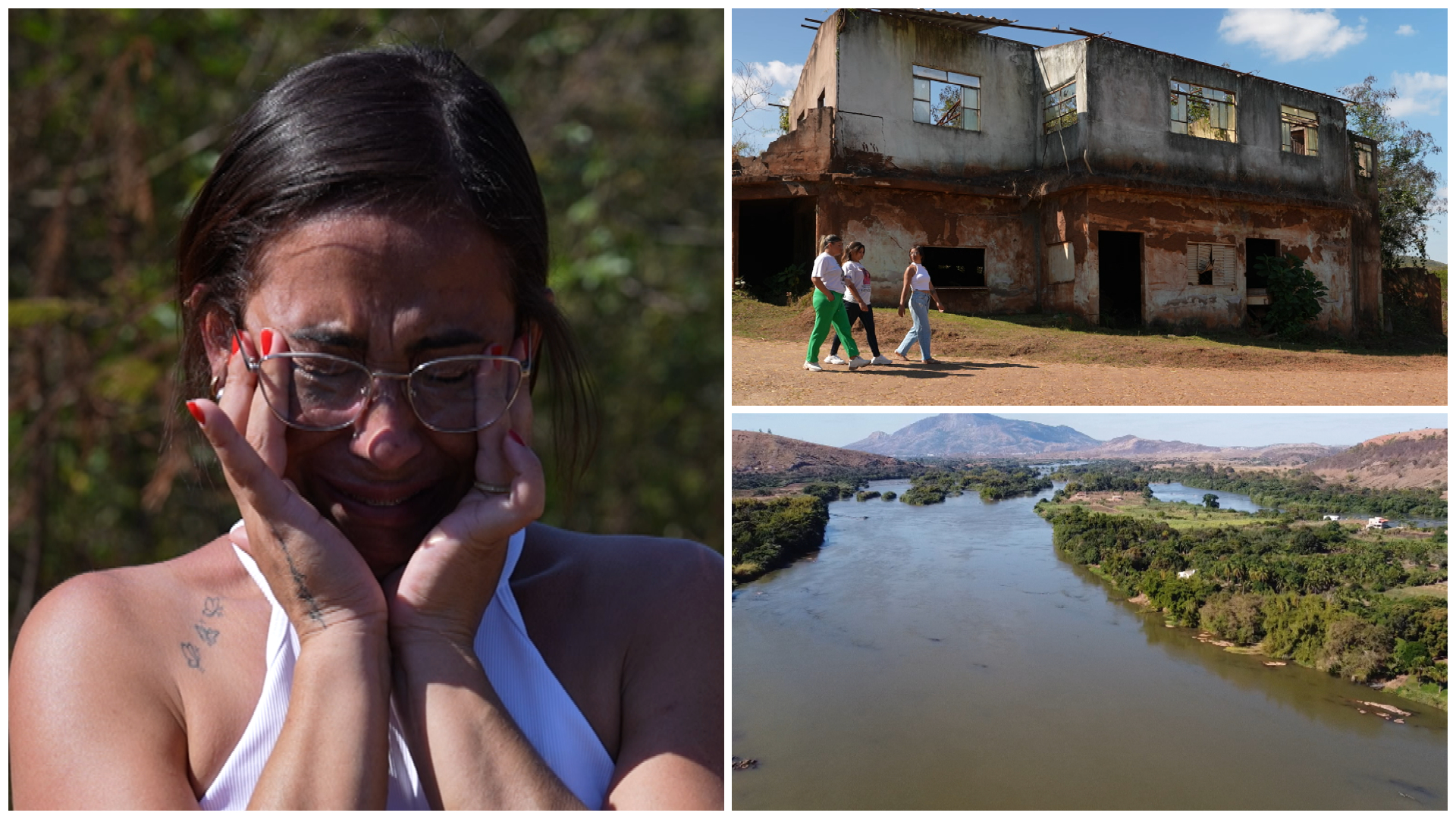
Global litigation funding depends heavily on trust. Claimants need to understand how their case is financed, what risks exist, and how funding costs may affect the final outcome.
Funders also need confidence that law firms are managing resources responsibly. In large international cases, poor communication or weak oversight can quickly damage confidence among claimants, investors, and legal partners.
Clear reporting, fair agreements, and strong governance are essential to ensure that the interests of victims remain central throughout the litigation process.
A Wider Test For Global Claims

The Mariana victims’ case may influence how future environmental and corporate accountability claims are funded. If the case demonstrates that large-scale funding can be managed fairly and responsibly, it could strengthen confidence in similar claims worldwide.
However, if concerns arise around costs, governance, or claimant communication, critics may call for stricter rules and closer supervision of litigation funding arrangements.
The challenge is finding the right balance between making justice accessible and ensuring that funding models operate with discipline and transparency.
Conclusion
The Mariana victims case has become an important test for global litigation funding. It shows how external finance can help victims pursue complex claims against powerful defendants, but it also highlights the need for strong governance, clear communication, and responsible cost management. As large international claims continue to grow, the future of litigation funding will depend on maintaining trust while ensuring that claimant interests remain protected.